


Flooring underlays to protect and enhance.
Browse our range of Flooring Underlays below
A guide to internal and external fibre cement flooring substrates
Fibre cement flooring is an ideal substrate for tiled balconies and verandas as well as bathrooms. Timber flooring becomes risky with regular exposure to moisture. If it swells and expands tiles can crack and become loose.
Fibre cement is a remarkable material. It is resistant to swelling, warping, and rotting. It is very good in remaining dimensionally stable which reduces the risk of tiles cracking or becoming loose.
The purpose of a fibre cement flooring underlay is to create a rigid substrate for laying floor tiles. They can assist in preventing finishes like ceramic tiles from cracking. Floor tiles can be expensive, and cracks are difficult to rectify. Ceramic tile underlays are effectively cheap insurance against cracking, and an inexpensive solution.




















Sort
Frequently asked questions
-
Do you need an underlay for tiling?
Yes, you’ll likely need a ceramic tile underlay for timber floors to minimise tile movement. Timber floors are too flexible for rigid tiles to be fixed to. An underlay creates a more rigid substrate to prevent floor tiles from cracking.
-
What do you use for a tile underlay?
A Ceramic Tile Underlay consists of a 6 mm thick, specially formulated fibre cement sheet.
Ceramic Tile Underlay comes in an 1800 x 1200 mm size.
-
What are the best underlays for ceramic tiles?
Fibre cement Ceramic Tile Underlays are inexpensive, effective, and widely available. There are very few other material options.
-
What are the benefits of tile underlays?
The main purpose, and greatest benefit, of ceramic tile underlays is to provide a suitably stable substrate to lay your floor tiles to assist in preventing possible cracking of the tiles. A problem they’re prone to have due to the movement that occurs naturally with particleboard and plywood substrates.
Fibre cement tile underlays are just 6mm thick, so they don’t raise the floor level too much.
-
What is fibre cement flooring?
Fibre cement flooring panels are extra thick. They’re a solid load bearing substrate for tiled balconies and internal wet area floors. They’re installed to timber or lightweight steel joists.
We offer one type of fibre cement flooring, traditional Compressed Fibre Cement (CFC) flooring with square edges.
-
Is fibre cement waterproof?
Waterproof means impervious to water. Fibre cement isn’t impervious to water, but it doesn’t need to be. Fibre cement is water resistant and maintains a level of strength and stability if it encounters moisture. When installing tiles outdoors and in wet areas additional waterproofing is required.
Other applications
Inspire
Latest topics, projects and people that help shape architecture, design, building and construction.
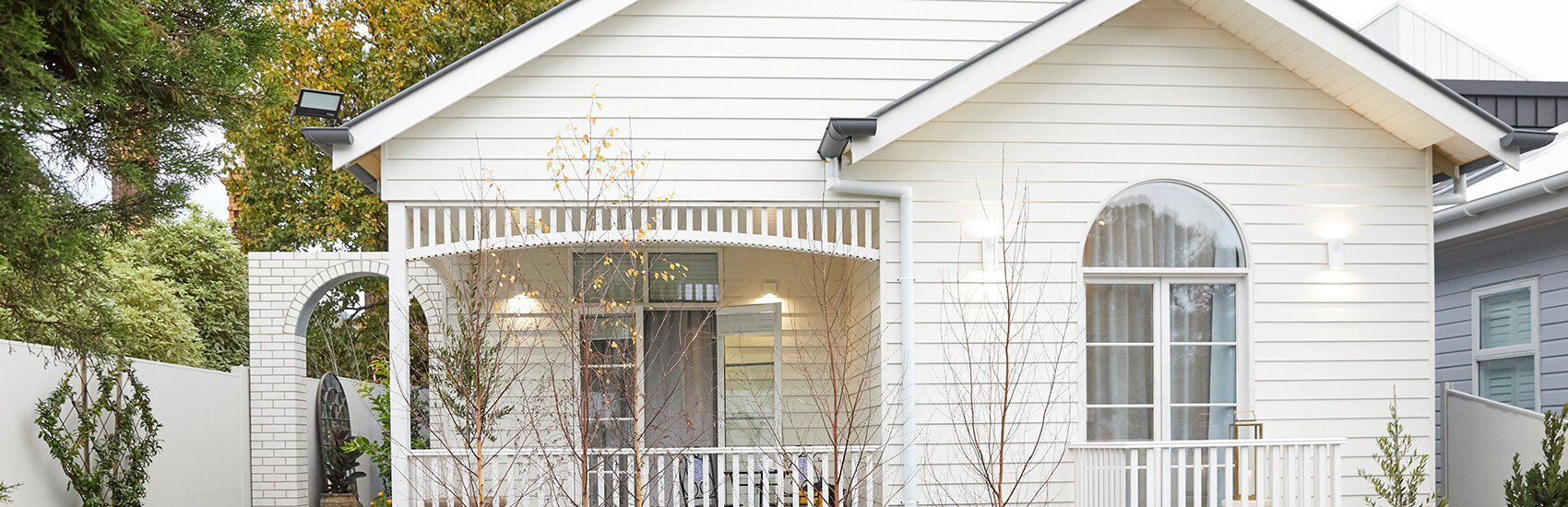
The Benefits of Fibre Cement Cladding
Durable, versatile and hard-wearing, fibre cement cladding is becoming the material of…

Cemintel and Hebel create homes from the outside in
Choosing the right building materials is all about a holistic approach to…

Five considerations when building a home
Set up your build for success with these five practical tips –…
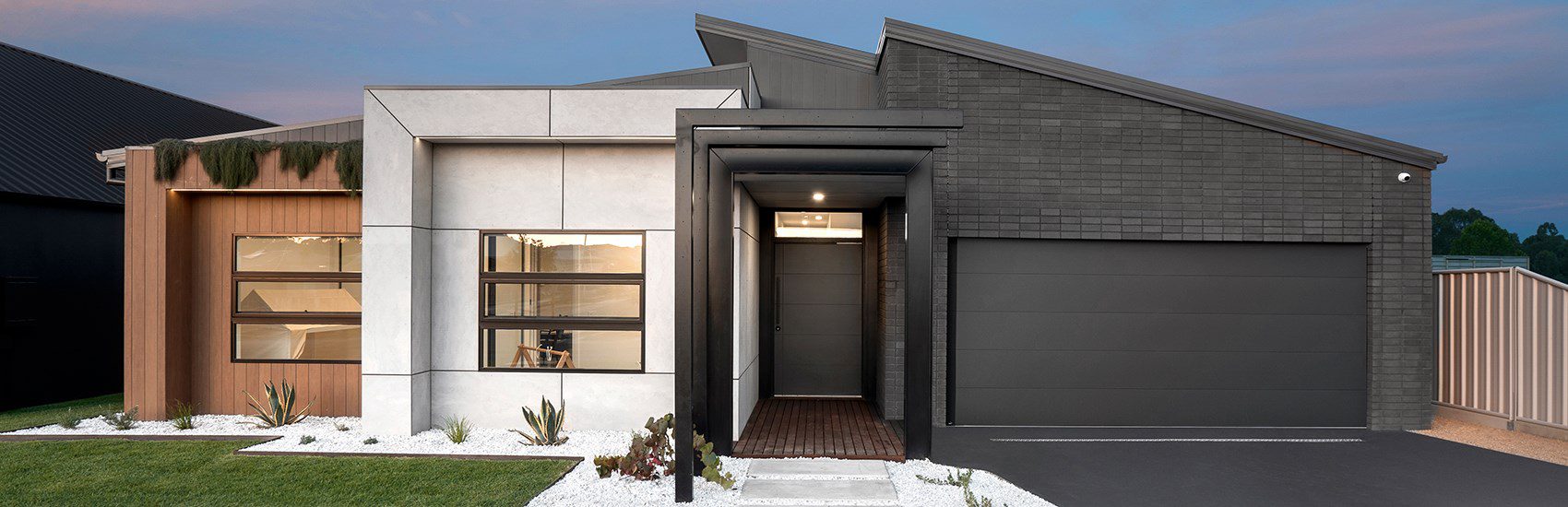
Get the Barestone Look
Searching for the perfect look for your home? Discover the array of…


Speak to an expert
Simply complete the form to get in touch with one of our Cemintel experts.